High-elevation Himalayan landscape at Rudranath

Himalayan Langur Project

The Himalayan Langur Project brings together research and community engagement to support human–wildlife coexistence in the Indian Himalayas. Our work focuses on the behavioral ecology of Himalayan langurs while partnering with local communities to sustain both biodiversity and cultural knowledge.

Since 2014

Long-term Field Research on Human–Wildlife Coexistence

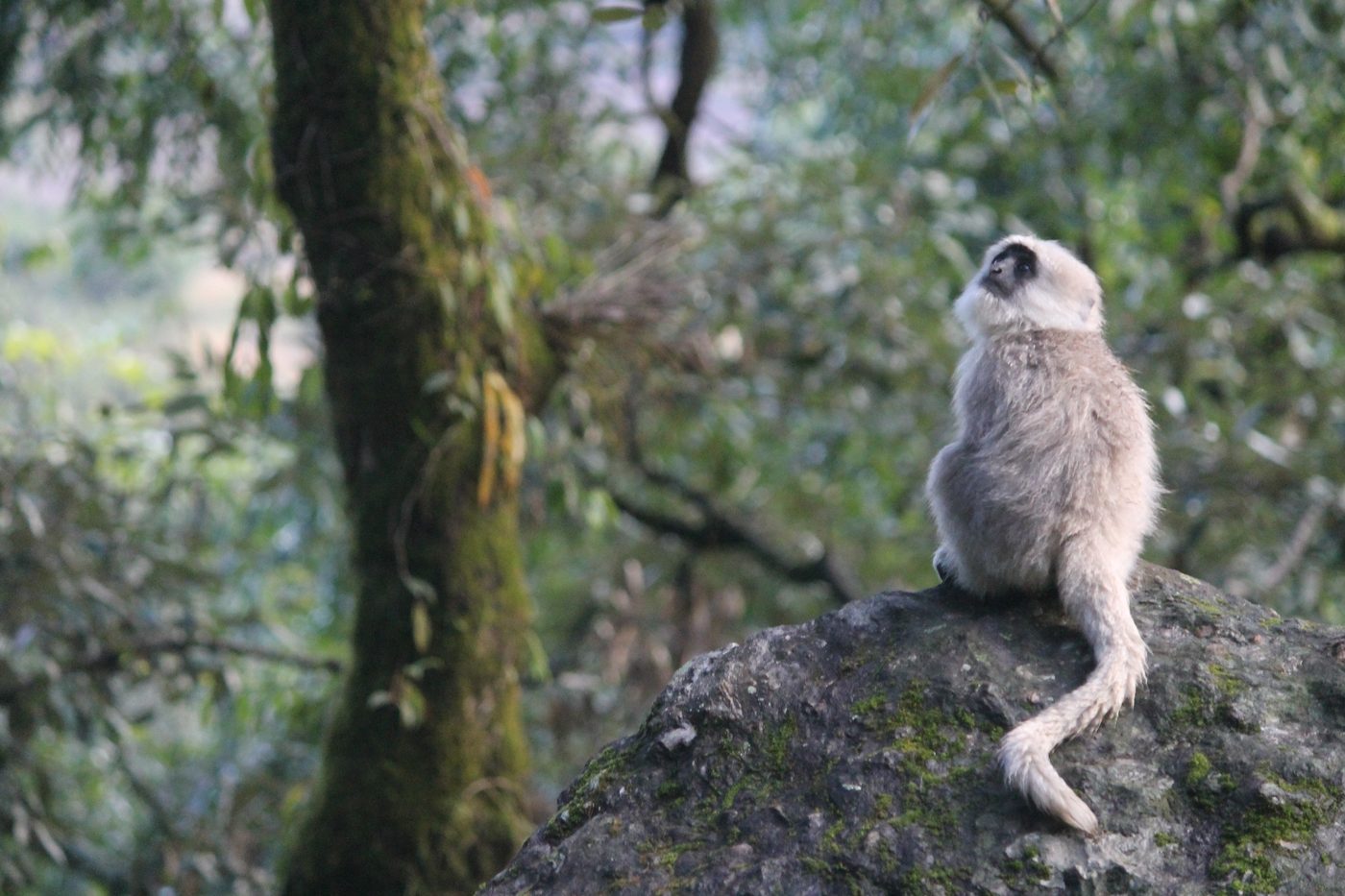
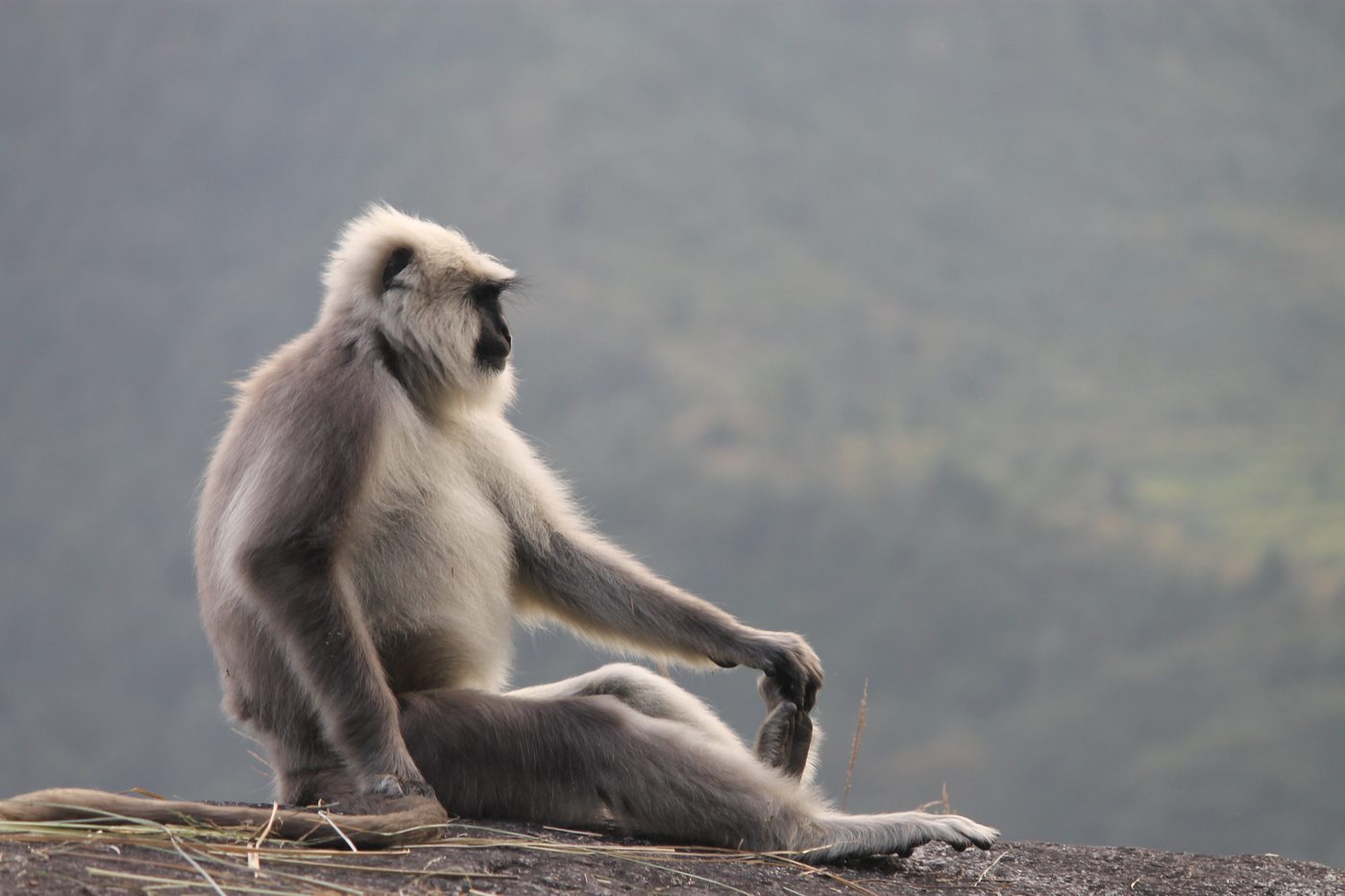
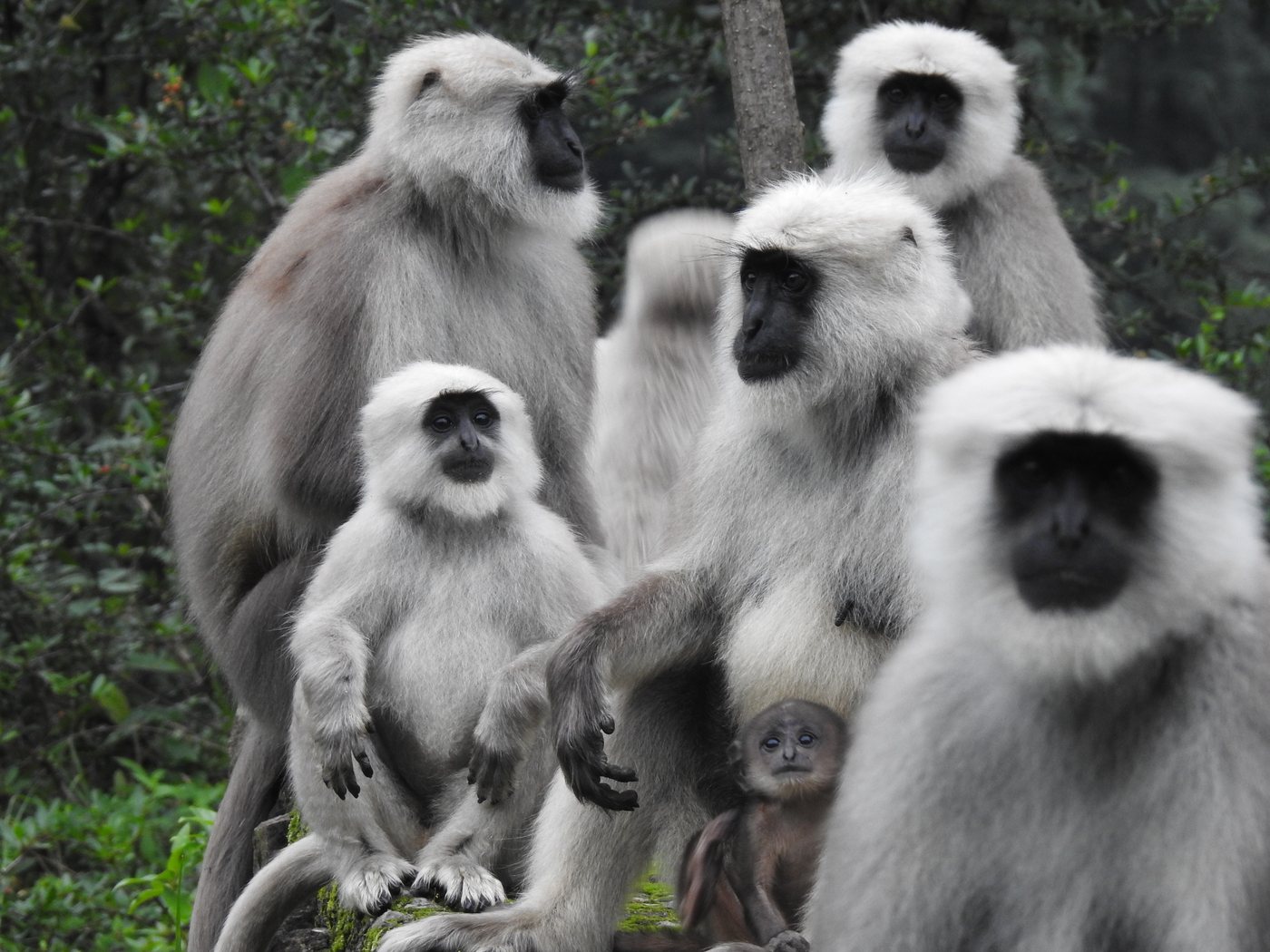
Founded in 2014 by Dr. Himani Nautiyal, the Himalayan Langur Project began as a focused field study on the ecology and diet of the Central Himalayan langur (Semnopithecus schistaceus) in Mandal Valley, Uttarakhand. Early work centered on habituation and behavioral observation, laying the foundation for long-term research on primate ecology in human-dominated landscapes.

Since then, the project has expanded into a multidisciplinary research program integrating behavioral ecology, evolutionary biology, and human–wildlife interactions. Dr. Nautiyal completed her doctoral research at Kyoto University, examining langur sociality, genetic structure, and their relationship with human communities, and currently serves as a postdoctoral fellow at Howard University.

Over time, the Himalayan Langur Project has grown into a collaborative research platform. Field assistants, students, and researchers have contributed to long-term data collection and interdisciplinary studies across the region. The project now supports ongoing research, community engagement, and education initiatives, building a foundation for locally grounded and scientifically informed conservation in the Himalayas.

Mandal Valley, Uttarakhand

Studying the relationships between people, wildlife, and changing Himalayan landscapes

HLP brings together long-term behavioral research, biodiversity monitoring, conservation education, and community collaboration in the Garhwal Himalayas.

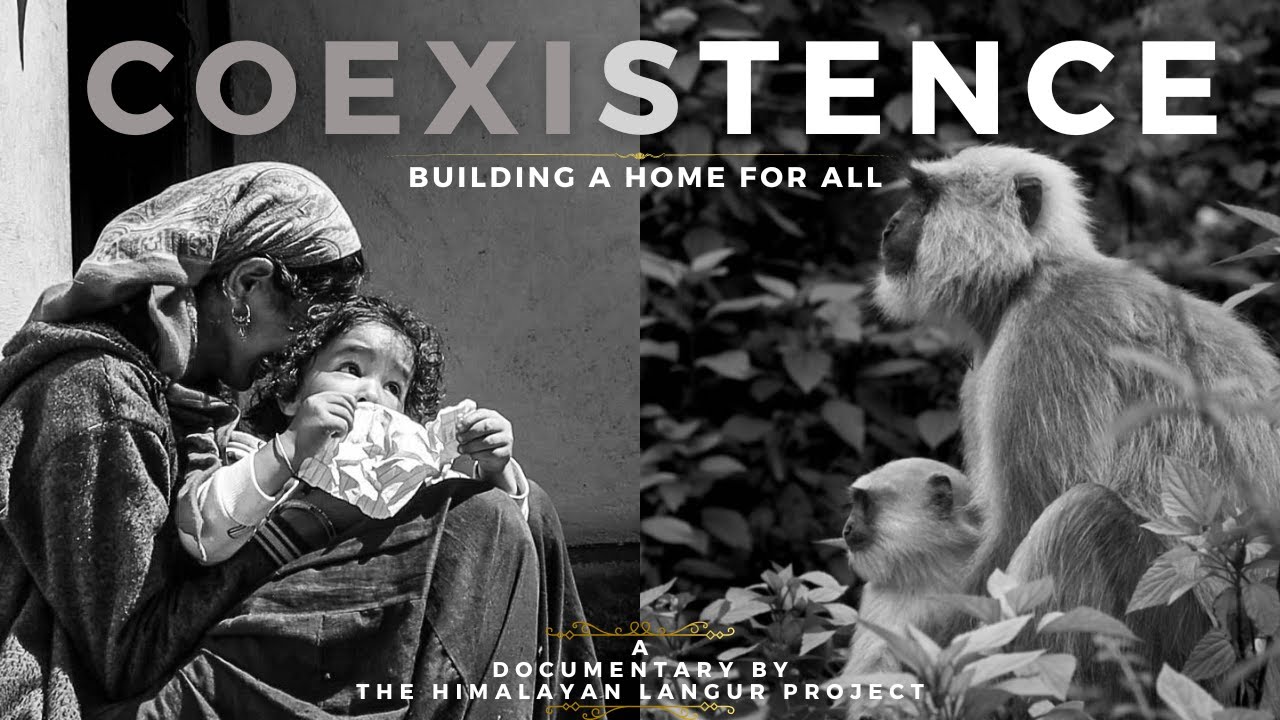
Documentary

Share the Himalayan Langur Project story

Himalayan Langur Project documentary Play

Watch and share the documentary to introduce the project, field sites, research, and community work to collaborators, students, and supporters.

Himalayan Langur Project video Play

A second video from the project shares more of the landscapes, fieldwork, and coexistence work behind the Himalayan Langur Project.

People

Who We Are

Research Team

Diganta Mandal

Field Coordinator

Diganta Mandal | MSc, PhD Student

Diganta is a Biological Anthropology PhD student at Indiana University. His research focuses on how chemical landscapes, climate change, and anthropogenic pressure impact alloprimate populations, especially Himalayan langurs in the Indian Himalayan Region.

Soumalya Ghorui

Research Coordinator

Soumalya Ghorui | MSc, PhD Student

Soumalya is a PhD student in Biological Anthropology at Boston University studying Himalayan langur energetics across high-altitude landscapes. He started with HLP in 2022 in Kanchula and aided long-term behavioral data collection.

Suraj Dungwal

Research Coordinator / Community Member

Suraj Dungwal

Suraj has worked with HLP since 2022 and is integral to project success, assisting on almost every individual project. He was born and raised in the valley and hopes to work for the forest department in the future.

Amish Dua

Research Team

Amish Dua | MS, PhD Student

Amish is a PhD student at the University of Calgary. His interests lie broadly in ethnobotany and primatology, including ethnoveterinary practices, parasite ecology, alpine meadow damage, and education challenges in rural Uttarakhand.

Avirup Sinha

Outreach and Communications Coordinator

Avirup Sinha | MSc, PhD Student

Avirup is a PhD student in Biological Anthropology at the University of Florida. His research studies bioacoustics and vocalization repertoires of the Central Himalayan langur across landscapes.

Harish Maithani

Research Associate / Community Member

Harish Maithani

Harish Maithani is a local community member and long-term field assistant with the Himalayan Langur Project. He is an experienced bird guide in the Himalayan region and plays a central role in coordinating field logistics, outreach, and community engagement initiatives.

Aarjav Chauhan

Research Associate

Aarjav Chauhan | MSc, PhD Student

Aarjav is a PhD student at the University of Toronto working across computer science and environmental research. He studies relationships between communities, archives, and environmental knowledge in the Himalayan region.

Shailendra Kumar

Field Research Associate / Local Community Member

Shailendra Kumar

Shailendra Kumar is a community member who leads the project's work in the nearby town of Gopeshwar. He has extensive experience in urban primate research and contributes to field studies focused on human–wildlife interactions in rapidly changing landscapes.

Mohit Mandwal

Field Team Lead / Local Community Member

Mohit Mandwal

Mohit Mandwal is a local community member and field assistant specializing in high-altitude research sites. He supports long-term data collection and plays an active role in community outreach and engagement.

Supervisory Board

Colin Chapman

Vancouver Island University

Rui Diogo

Howard University

Dipto Sarkar

Carleton University

Cecile Sarabian

Institute for Advanced Study in Toulouse

Anindya Sinha

National Institute of Advanced Studies

Julie Teichroeb

University of Toronto Scarborough

Michael Wasserman

Indiana University

Vishal Singh

Centre For Ecology Development And Research

Valeria Romano

IMBE / IRD

Irene Teixidor-Toneu

IMBE / IRD

Christopher Schmitt

Boston University

Alumni

Vinotha Ramesh Kumar Rutger Emke Ryan Ura Simran Sethi Shashank Pansari Vikas Verma Munib Khanyari Akash Verma Takhe Bamin Anjana Dey Camille Testard Swapna Lawrence Rashmi Singh Diandra Lewis Prashant Mahajan Ankit Moun Kruttika Bhave Mohit Rajput Gaurav Dixit Victoria McInnis Sheela Kanswal Kimya Gajare Neeraj Bisht Dhyan C K Gaurav Uppal Abhijit Dey Rimung Tasso Philippe Berthiaume Mohammed Ismail Myriam Trottier-Paquet Bhaskar Bhandari Divya Dwivedi Mohib Uddin Tanisha Arunan Kavin Prakash Ashu Tomar Swathi Ramesh Rishabh Jaggi Akash Kumar Isis Palay

Support & Funding

Research Grants

Rufford Foundation, National Science Foundation, Leakey Foundation, National Geographic Society

University Partners

Kyoto University, Indiana University, University of Toronto, Howard University, University of Florida, Boston University

India-Based Institutions

National Institute of Advanced Studies, Doon University, UPES Dehradun

Conservation & Field Support

Centre for Ecology Development and Research, Uttarakhand Forest Department, We Naturalists

Professional Societies

International Primatological Society, American Society of Primatologists

Field Sites

Where We Work

Garhwal Himalayas

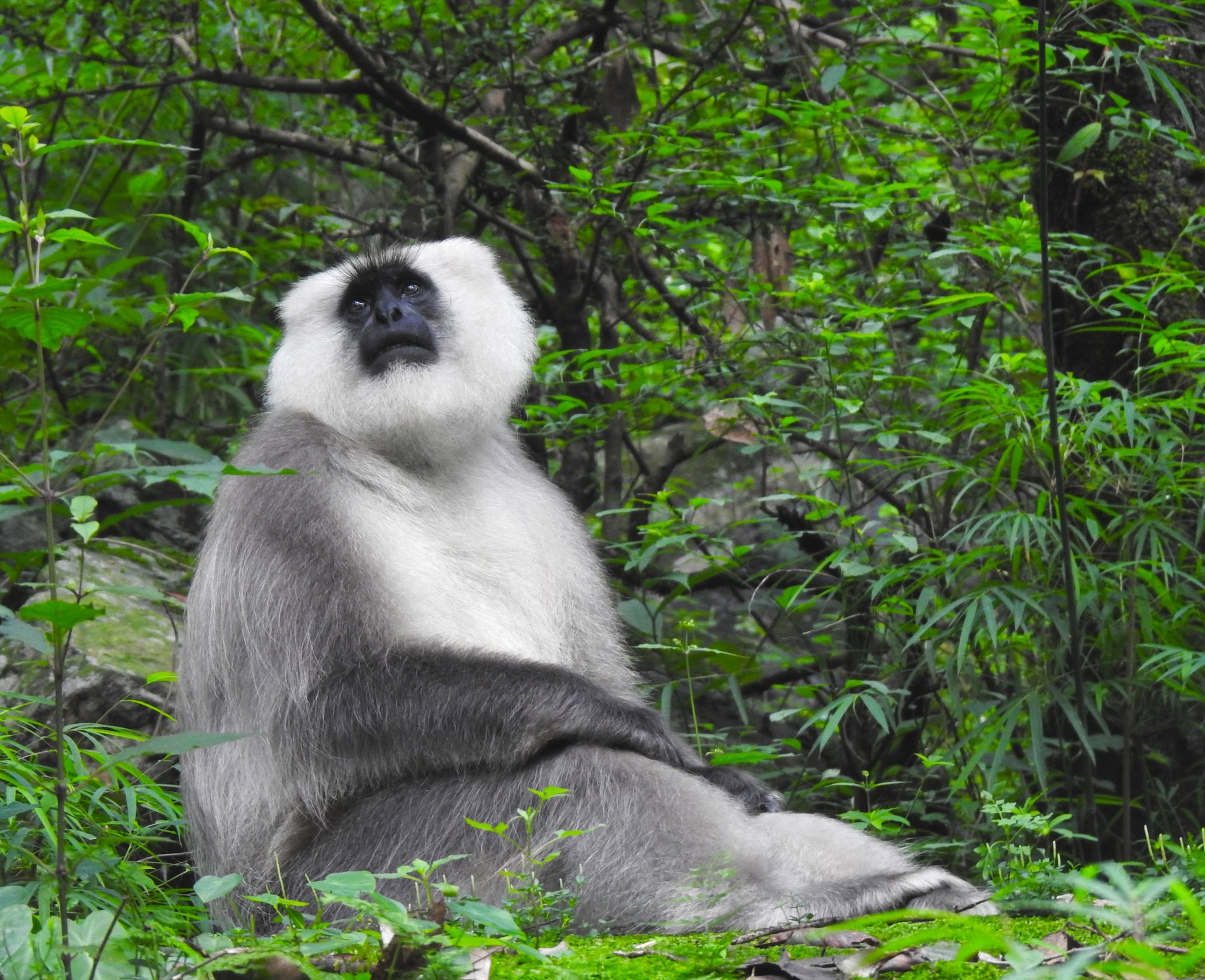
The Himalayan Langur Project is based in Mandal Valley in the Garhwal Himalayas of Uttarakhand, India. Our long-term research follows multiple groups of Himalayan langurs (Semnopithecus schistaceus) across distinct forest types and human-dominated landscapes. Together, these sites form a comparative system spanning protected forests, agroforestry mosaics, high-altitude pastures, and urban environments, allowing us to examine how ecological variation and human presence shape behavior, adaptation, and coexistence.

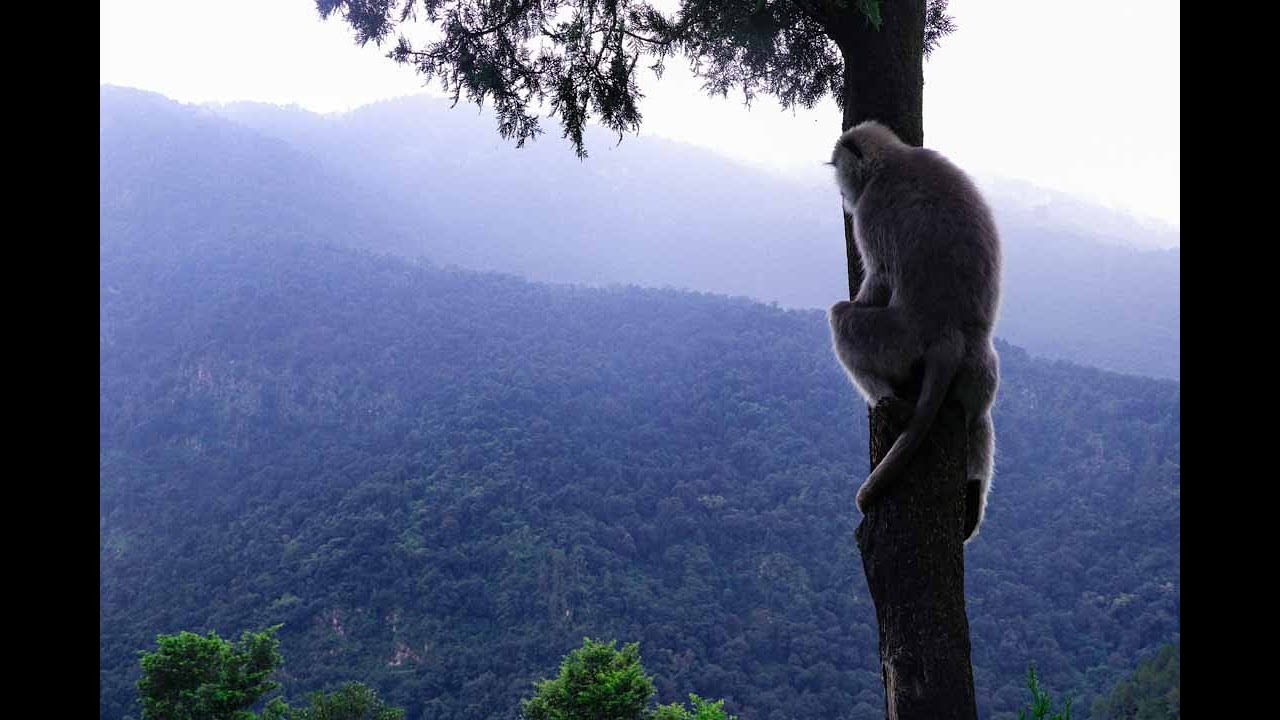
Mandal Valley landscape in the Garhwal Himalayas Clouds over a Himalayan valley High-elevation Rudranath landscape Forested Himalayan habitat

Mandal Troop

Mandal Valley serves as the base for long-term research and community engagement. This mid-elevation agro-forest landscape represents a mosaic of villages, agricultural fields, and fragmented forests, where langurs regularly interact with people.

Kanchula Kharak Troop

Established in 2021, this troop inhabits relatively undisturbed forest within Kedarnath Wildlife Sanctuary (2450–3000 m). The site provides insight into langur behavior in less human-modified habitats, offering a critical comparison to more disturbed landscapes.

Trishula Troop

This mid-elevation site (2000–2500 m) is characterized by dense forest with high canopy cover and limited human disturbance. It represents a structurally complex habitat, allowing us to examine langur behavior in continuous forest conditions and compare it with more fragmented and human-influenced landscapes.

Rudranath Troop

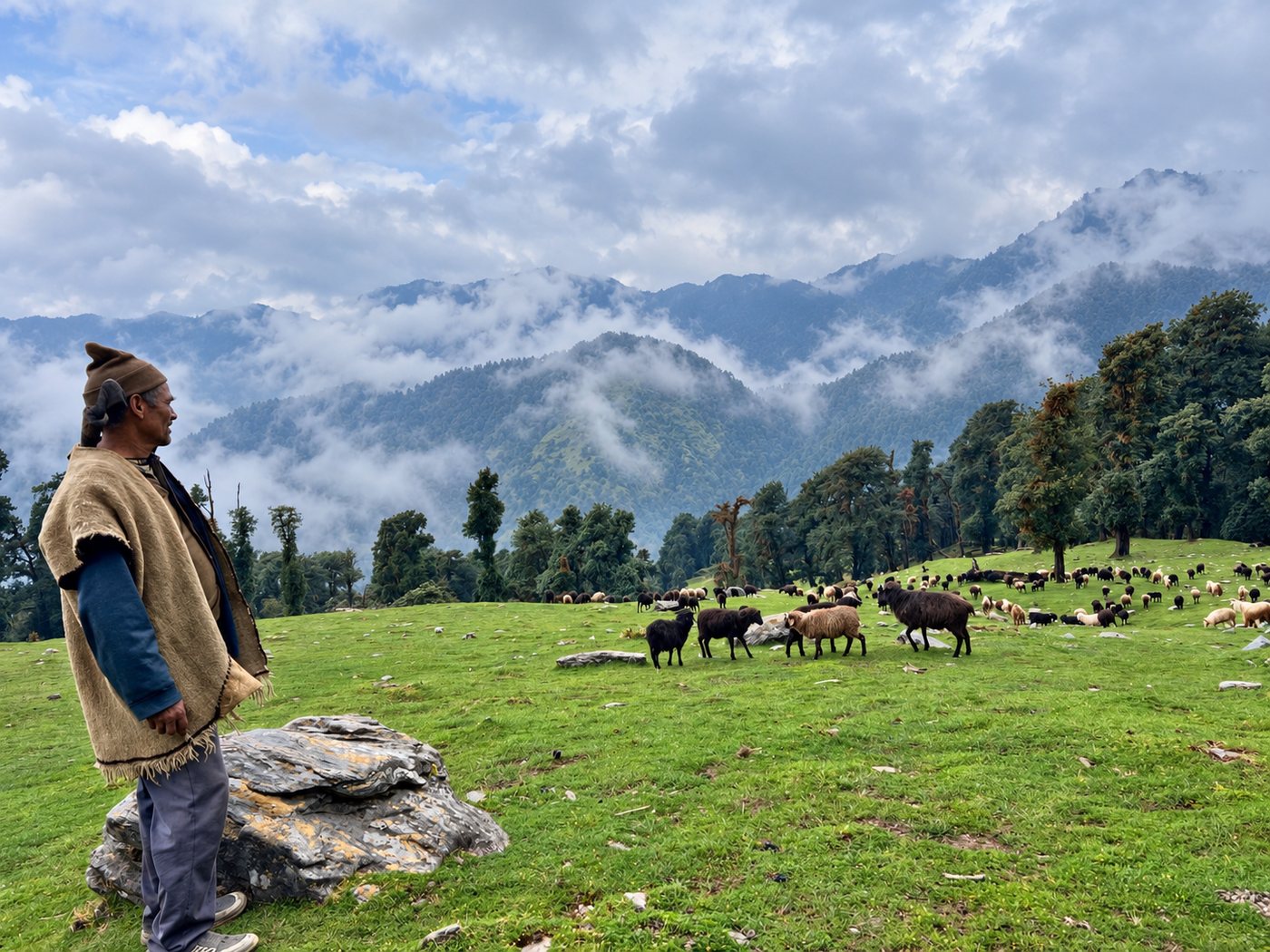
This high-elevation site spans alpine pastures and subalpine forests, shaped by seasonal pastoralism and sacred geography. It represents a dynamic landscape where wildlife, livestock, and human movement intersect across steep environmental gradients.

Gopeshwar Troop (Urban Site)

Located in the nearby town of Gopeshwar, this site represents an urban environment where langurs share space directly with people. Here, langurs navigate built infrastructure, human activity, and highly modified habitats, providing key insights into behavior and adaptation in densely populated settings.

Research

Research

The Himalayan Langur Project is a long-term, collaborative research program examining how humans and wildlife adapt to shared environments across ecological and anthropogenic gradients in the Himalayas.

Human–Wildlife Coexistence & Socio-Ecological Systems

Lead: Dr. Himani Nautiyal

Socio-ecological Drivers of Human Responses to Langurs

Examines how proximity, seasonality, and conservation interventions shape human behavior toward wildlife.

Human–Langur Interactions in Agro-Forest Landscapes

Investigates how land use, resource availability, and seasonal dynamics structure interactions between people and langurs.

Behavioral Responses to Predation Risk in Human-Dominated Systems

Explores how free-ranging dogs and human presence influence langur behavior, sociality, and space use across landscapes.

Traditional Ecological Knowledge & Human Dimensions

Lead: Dr. Himani Nautiyal

Traditional Ecological Knowledge and Resource Use

Documents how local knowledge systems and cultural practices shape interactions with biodiversity and influence conservation outcomes.

Community Engagement & Applied Conservation

Community Education in Mandal Valley

Collective Project. Develops education programs to build local awareness and long-term stewardship.

Community Plantations

Collective Project. Supports habitat restoration through community-led initiatives.

Behavioral & Evolutionary Ecology

Maternal–Offspring Responses to Anthropogenic Activity

PI: Elizabeth Coggeshall. Examines behavioral and physiological responses to human disturbance.

Primate Energetics Across Space

PI: Soumalya Ghorui. Investigates energy use and activity patterns across ecological gradients.

Movement Ecology & Spatial Cognition

Movement Ecology and Spatial Cognition

PI: Virendra Mathur. Explores navigation and space use in complex, human-modified landscapes.

Health, Genetics & Environmental Risk

Genetic, Pollution, and Climatic Risk Assessment

PI: Diganta Mandal. Assesses population vulnerability under environmental change.

Gut Microbial Variation Across Elevations and Anthropogenic Contexts

PI: Elizabeth Coggeshall. Examines how ecological and human factors shape gut microbiomes.

Communication & Social Systems

Bioacoustics and Vocal Communication

PI: Avirup Sinha. Studies vocal behavior across ecological and social contexts.

Critical & Interdisciplinary Perspectives

Understanding Conflict within Environmental Research Practices

PI: Aarjav Chauhan. Examines ethical and structural challenges in conservation research.

Publications & Media

Selected Publications

2024 / Biology

Predatory Dogs as Drivers of Social Behavior Changes in the Central Himalayan Langur

Nautiyal, H., Mathur, V., Gajare, K.H., Teichroeb, J., Sarkar, D., Diogo, R. Biology, 13(6):410.

Preview PDF

2023 / Primates

Anti-predator strategies of adult male Central Himalayan Langurs

Nautiyal, H., Tanaka, H. & Huffman, M.A. Adult male responses to domestic dogs in a human-dominated landscape. Primates, 64, 361-379.

Preview PDF

2020 / PhD Thesis

Behavioral ecology of the Central Himalayan Langur in the human dominated landscape

Nautiyal, H. Multi-species interactions and conservation implications. Thesis, Kyoto University.

Preview PDF

2015 / MSc Thesis

MSc Thesis

Nautiyal, H. Master's thesis.

Preview PDF

2020 / Global Ecology and Conservation

The Banj oak as a potential mitigating factor for human-langur interactions

Nautiyal, H., Mathur, V., Sinha, A. & Huffman, M.A. Garhwal Himalaya, India. Global Ecology and Conservation.

Preview PDF

2018 / Zootaxa

Description of Enterobius emodensis collected from Central Himalayan langur

Hasegawa, H., Nautiyal, H., Sasaki, M., Huffman, M.A. Zootaxa.

Preview PDF

Contact

Connect with the Himalayan Langur Project

For research collaboration, training, volunteering, education programming, or media inquiries, contact the project team.