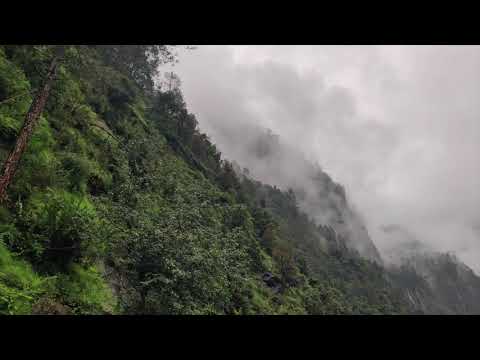
Garhwal Himalayas
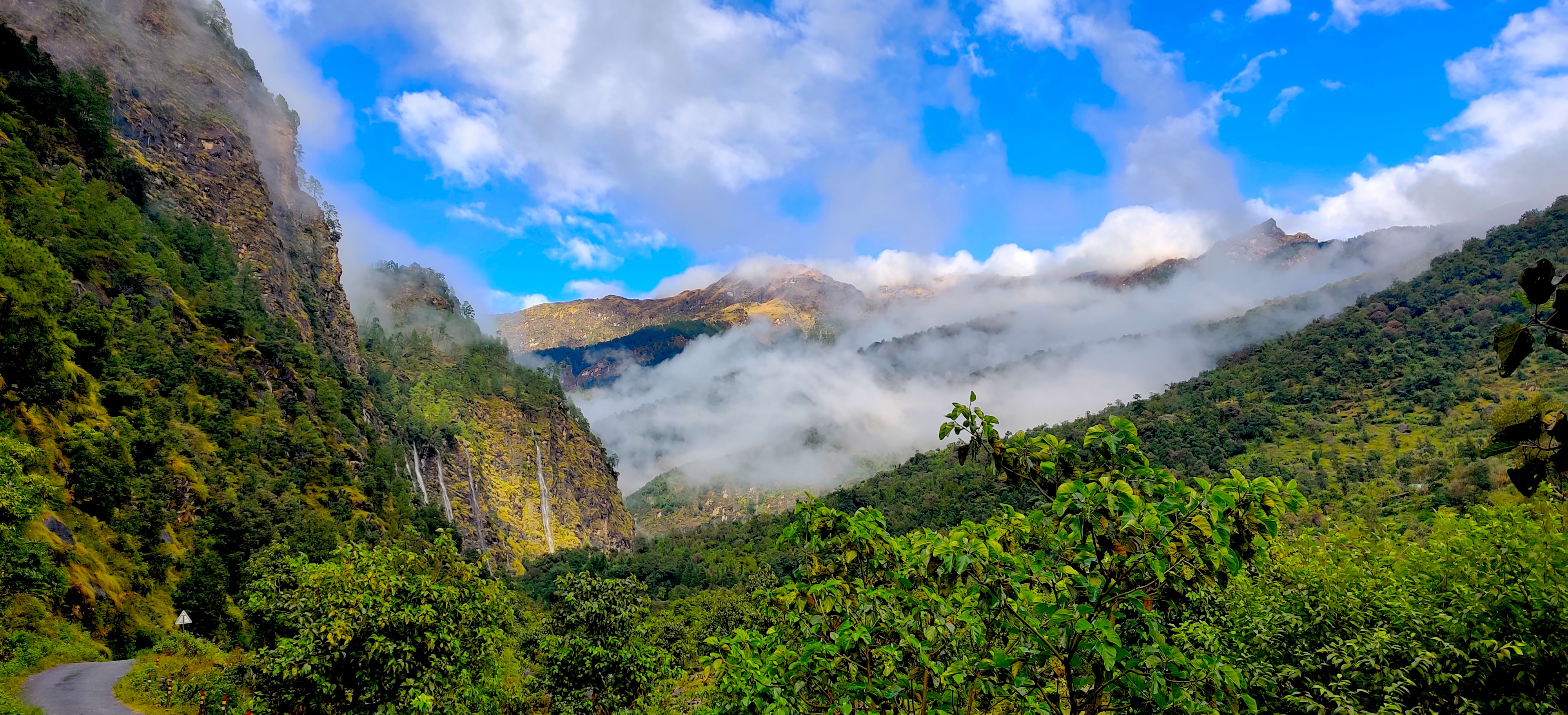
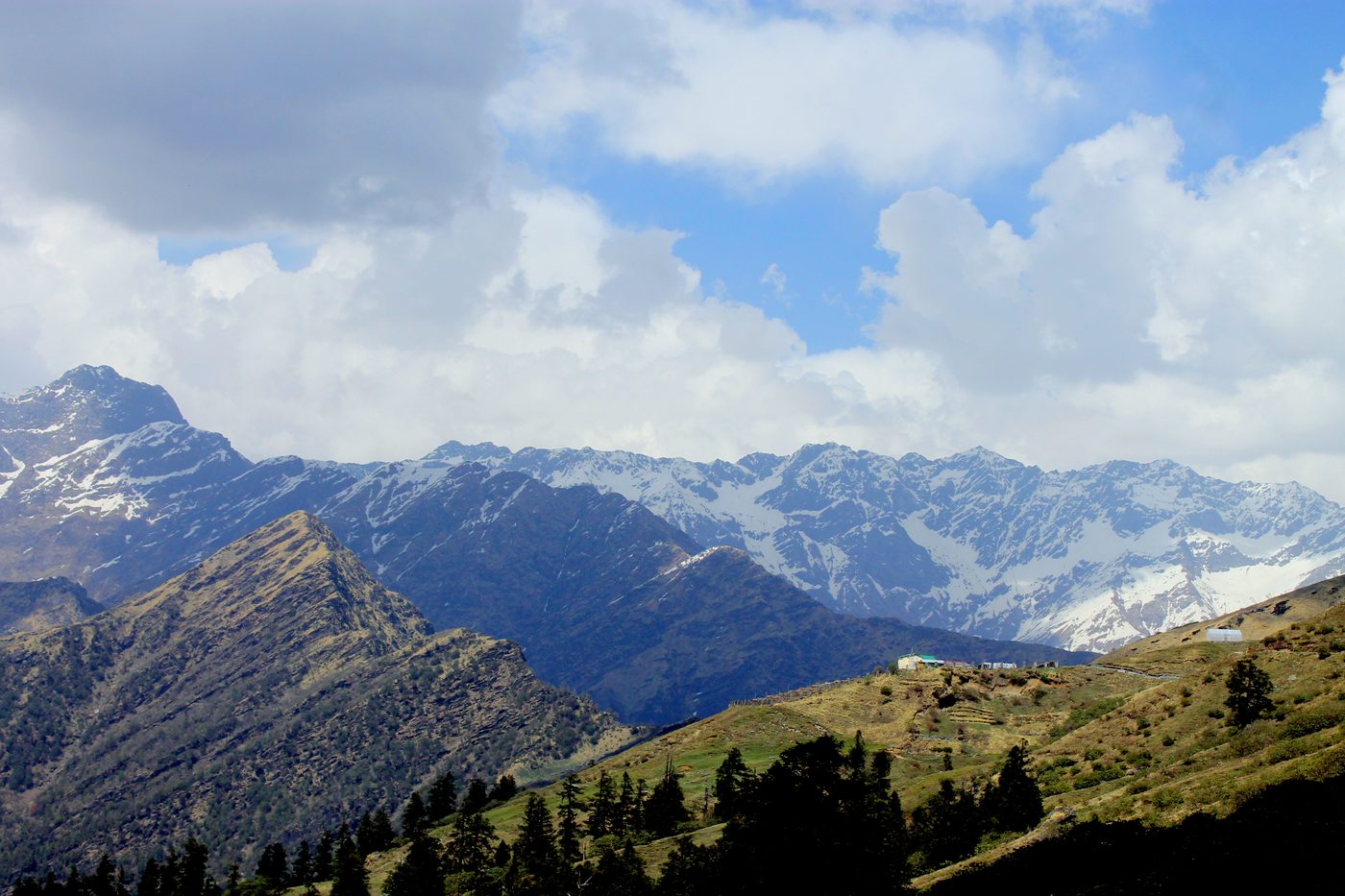
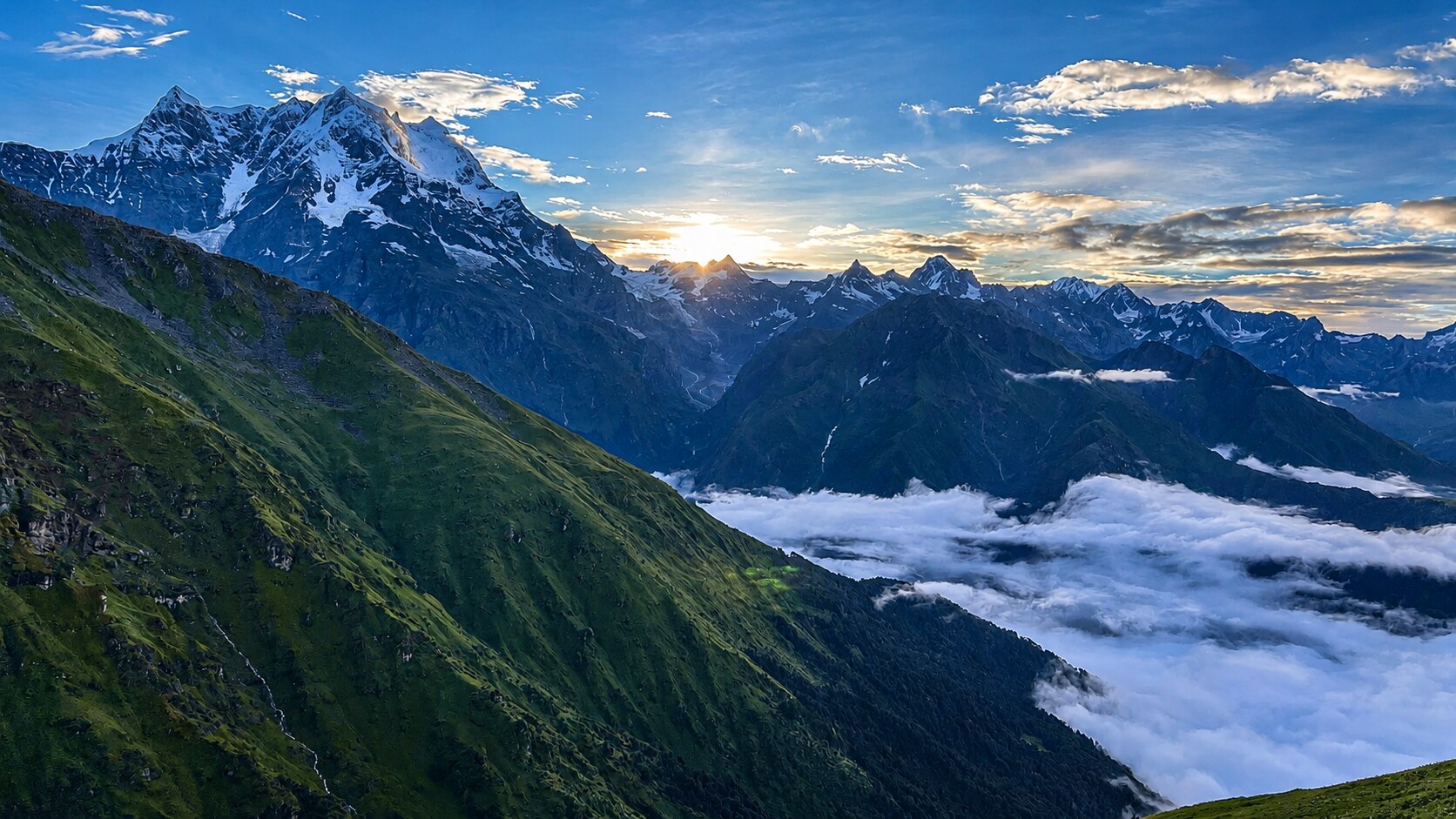
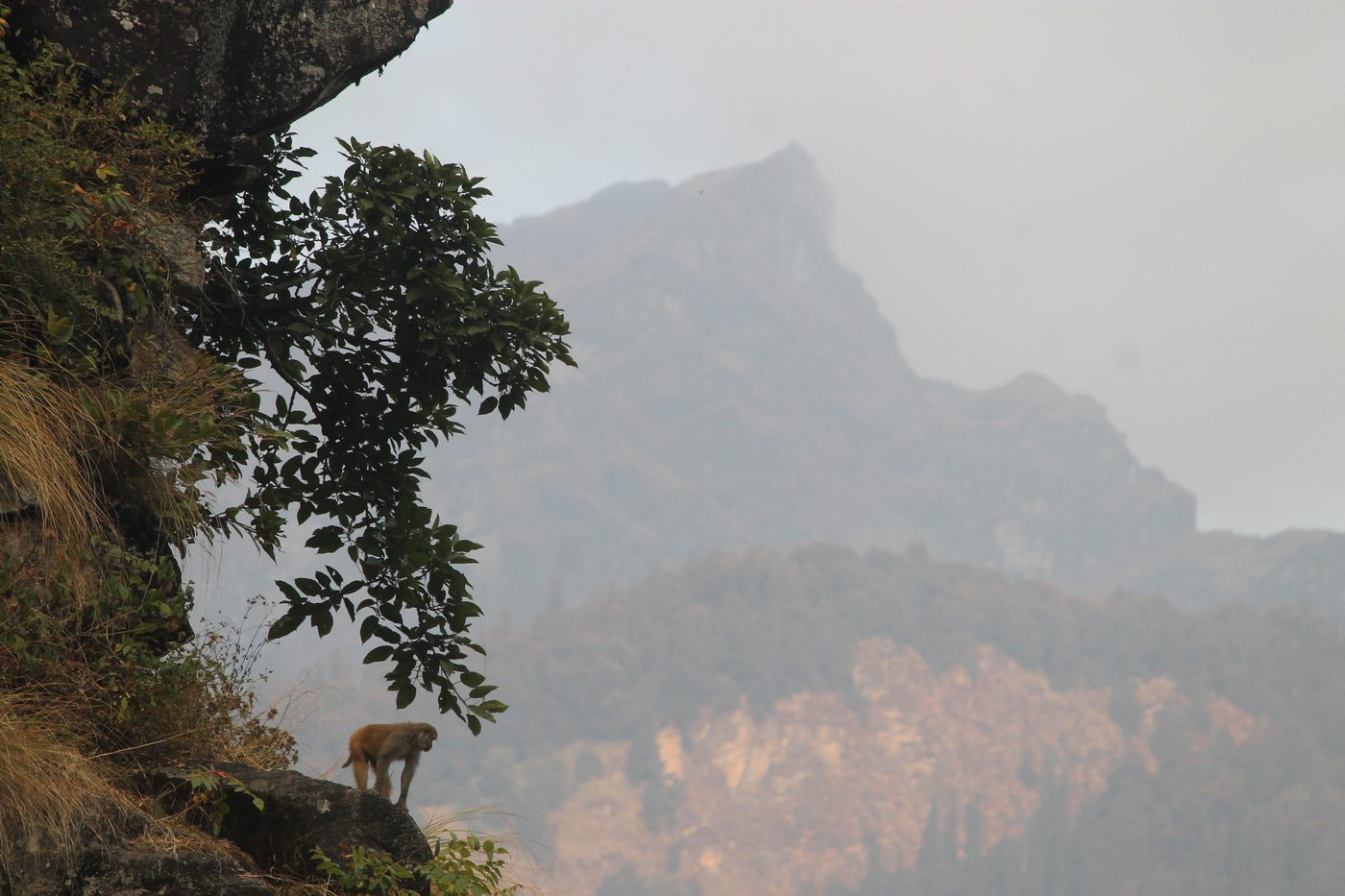
The Himalayan Langur Project is based in Mandal Valley in the Garhwal Himalayas of
Uttarakhand, India. Our long-term research follows multiple groups of Himalayan langurs
(Semnopithecus schistaceus) across distinct forest types and human-dominated
landscapes. Together, these sites form a comparative system spanning protected forests,
agroforestry mosaics, high-altitude pastures, and urban environments, allowing us to
examine how ecological variation and human presence shape behavior, adaptation, and
coexistence.
Mandal Troop
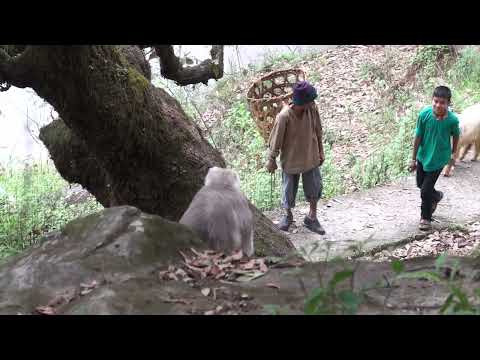
Mandal Valley serves as the base for long-term research and community engagement. This
mid-elevation agro-forest landscape represents a mosaic of villages, agricultural
fields, and fragmented forests, where langurs regularly interact with people.
Kanchula Kharak Troop
Established in 2021, this troop inhabits relatively undisturbed forest within
Kedarnath Wildlife Sanctuary (2450–3000 m). The site provides insight into langur
behavior in less human-modified habitats, offering a critical comparison to more
disturbed landscapes.
Trishula Troop
This mid-elevation site (2000–2500 m) is characterized by dense forest with high
canopy cover and limited human disturbance. It represents a structurally complex
habitat, allowing us to examine langur behavior in continuous forest conditions and
compare it with more fragmented and human-influenced landscapes.
Rudranath Troop
This high-elevation site spans alpine pastures and subalpine forests, shaped by
seasonal pastoralism and sacred geography. It represents a dynamic landscape where
wildlife, livestock, and human movement intersect across steep environmental
gradients.
Gopeshwar Troop (Urban Site)
Located in the nearby town of Gopeshwar, this site represents an urban environment
where langurs share space directly with people. Here, langurs navigate built
infrastructure, human activity, and highly modified habitats, providing key insights
into behavior and adaptation in densely populated settings.